Why Try That Again Isn't Enough When Disciplining Kids
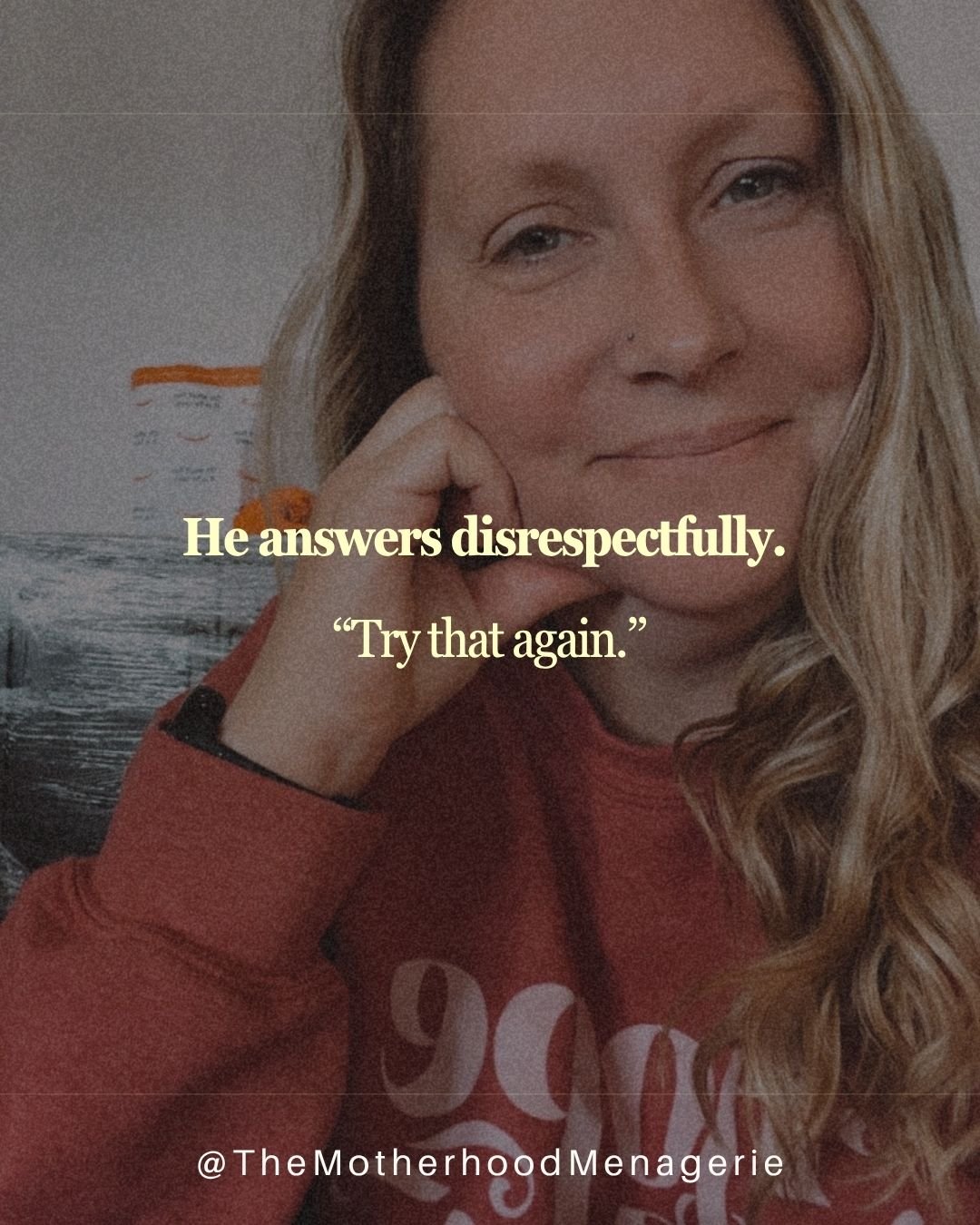
I've heard a lot of conversation lately about using the phrase try that again when disciplining children, even in Christian parenting circles. I understand the sentiment behind it. But I think there's a really important part missing.
What's Actually Missing
Try that again basically just tells your kid they didn't get it right, try again until you do. That's not how we roll in our house. When I say try it again, I want my kid to know what they did wrong first.
So when one of my kids snaps at their brother, I don't just send them off to try again. I correct them, and I say something closer to this: you were called to be in control of your tongue. God gave you a voice in order to uplift others. Now you can try that again.
Why the Difference Matters
If all you say is try again, it starts to feel like the million dollar lottery. You lost, try again. That's not what we're doing here. I want purposeful discipleship in our home, not a guessing game where my kid has to figure out on their own what I actually meant.
Naming what went wrong takes an extra sentence. But that sentence is the difference between correction that just enforces compliance and correction that's actually discipling them toward something. Ephesians 4:29 puts it plainly: let no corrupting talk come out of your mouths, but only what is good for building up. That's the standard I'm actually trying to hold them to, not just quiet.
How This Connects to the Bigger Picture
This is the same shift I wrote about in We Don't Hit Isn't a Value, Here's What Is. Correction that's rooted in something specific and true holds up. Correction that's just a phrase we repeat because it sounds gentle doesn't actually teach anything.
If you've noticed yourself defaulting to phrases like try again without naming what's underneath them, that's exactly the work covered in Module 5 of The Faithful Home, The Correction Rhythm. It walks you through building a way of correcting your kids that's rooted in love and truth instead of mood or habit.
Build the rhythms faithfully. Trust God with the growth.